October 3, 2026 · InnerVoice Team
Anonymity vs. Accountability: Why Hierarchy Requires an Equalizer
Does anonymity breed toxicity or courage? Why modern hierarchies require an equalizer to evaluate ideas on merit rather than organizational status.
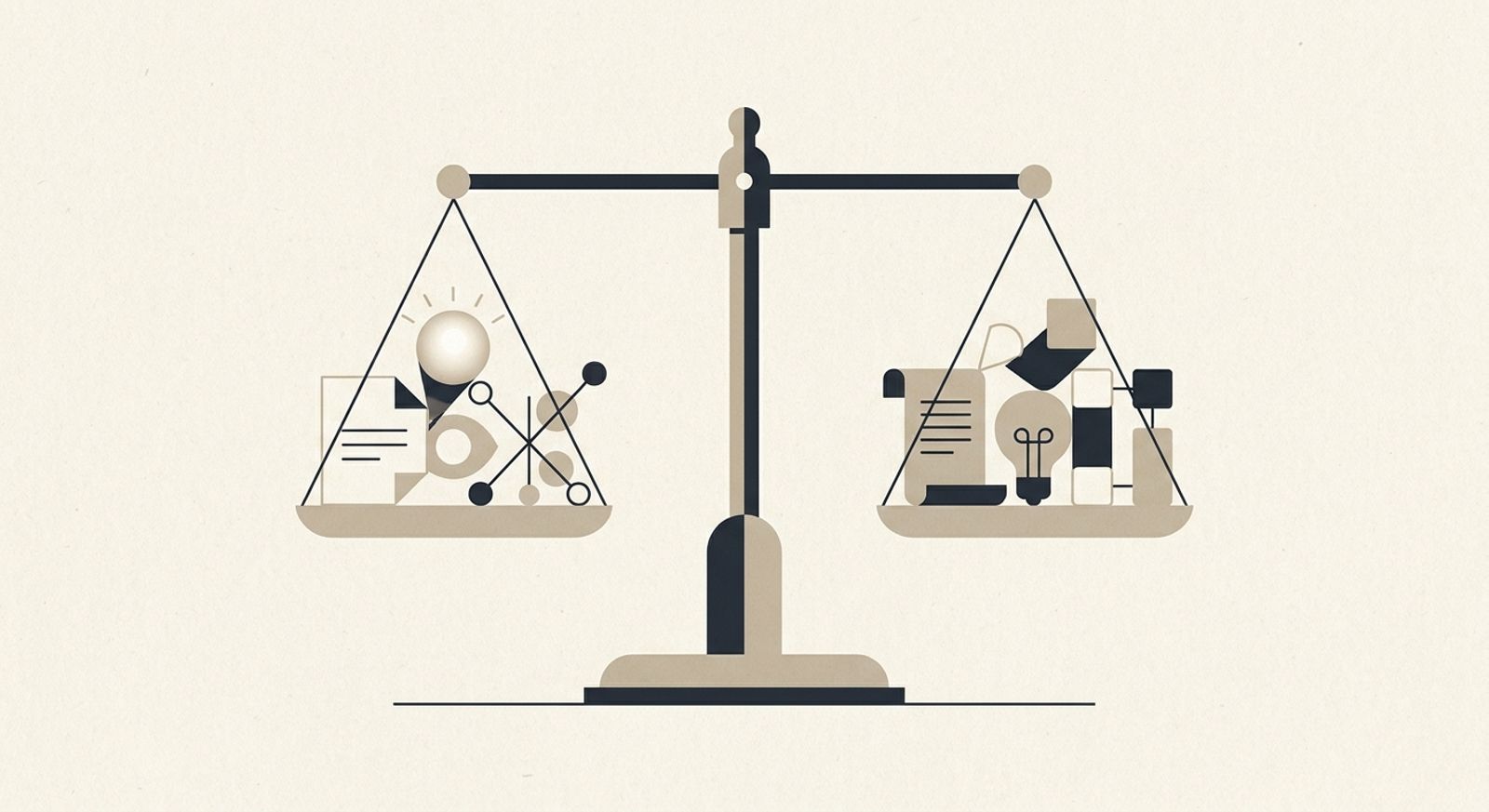
A persistent debate in organizational design revolves around anonymity. Skeptics often argue that anonymity eliminates accountability, inviting toxic complaints and unconstructive venting without personal ownership.
While that risk exists in unmoderated forums, it misses a fundamental reality of corporate life: hierarchical power structures already suffer from a massive asymmetry of accountability. When a CEO speaks, everyone listens. When an individual contributor notices a flaw in execution, speaking up carries asymmetric career risk.
Power Distance and Organizational Self-Censorship
Sociologist Geert Hofstede defined 'power distance' as the degree to which less powerful members of an organization accept and expect that power is distributed unequally. In high power-distance settings—or fast-growing startups with intense leadership personalities—employees habitually self-censor.
They nod along in Zoom meetings, withhold concerns about unattainable deadlines, and quietly watch projects drift off course. They aren't indifferent; they simply understand that challenging seniority rarely ends well. Anonymity acts as a structural equalizer, neutralizing the power gradient so the truth can breathe.
Anonymous Input, Public Accountability
The magic of modern feedback architectures lies in decoupling the input from the outcome:
- Anonymous on the Way In: Employees can suggest improvements, ask hard questions, or vote in polls without needing a user account, biometric login, or email capture. No digital paper trail means zero fear of reprisal.
- Transparent on the Way Out: Rather than disappearing into a private manager inbox, key suggestions can be curated onto a shared public wall where leadership publicly shares decisions, timelines, and rationale.
This symmetry flips the dynamic: the employee gets total psychological protection, while leadership displays radical transparency and public accountability.
The Hybrid Workplace Multiplier
In remote and distributed teams, water cooler conversations and casual hallway debriefs have vanished. Without informal touchpoints, small frustrations compound in private Slack DMs and backchannels.
Providing an always-accessible digital corkboard, coupled with physical posters and QR codes in offices, bridges the gap across distributed timezones. It gives every contributor—regardless of extroversion, location, or seniority—an equal voice in shaping how the company evolves.
Hear what your team won't say out loud.
Set up an anonymous suggestion box in under 60 seconds. Free forever.
Start free